
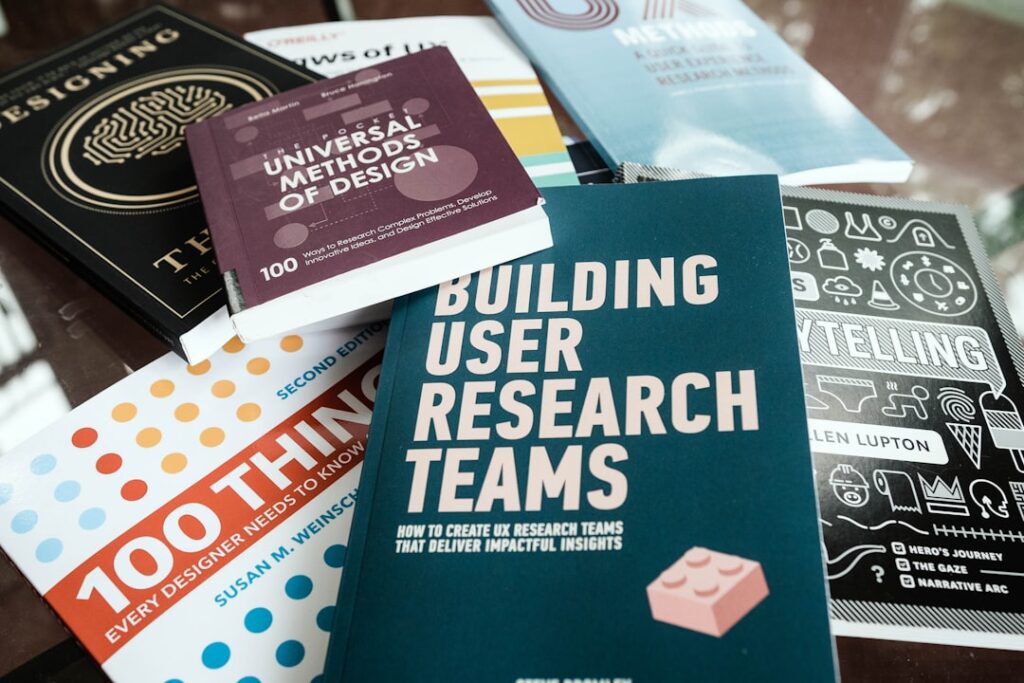
When you think about the books that have left a lasting impression on you, it’s likely that their design played a significant role in that experience. Premium book design transcends mere aesthetics; it is an art form that combines visual appeal with tactile engagement. You may not realize it, but the way a book looks and feels can influence your perception of its content. A well-designed book can elevate the reading experience, making it not just about the words on the page but also about the overall sensory journey. This is where the power of premium book design comes into play, transforming a simple collection of pages into a cherished object.
In today’s competitive market, where countless titles vie for attention, premium book design can be your secret weapon. It allows you to stand out in a sea of mediocrity, capturing the interest of potential readers before they even turn the first page. You might find that investing in high-quality design elements—such as unique cover art, elegant typography, and thoughtful layout—can significantly enhance your book’s appeal. By understanding the nuances of premium design, you can create a product that not only attracts readers but also fosters a deeper connection with them.
In exploring the intricate relationship between design and consumer perception, a related article titled “The Impact of Visual Aesthetics on Brand Loyalty” delves into how premium design influences customer engagement and loyalty. This piece complements the insights presented in “Publishing Mastery: The Psychology of Premium Book Design for Luxury Brands,” as both emphasize the importance of aesthetics in establishing a brand’s identity. For further reading, you can access the article here: The Impact of Visual Aesthetics on Brand Loyalty.
The Impact of Luxury Branding on Book Publishing
Luxury branding has become a powerful force in various industries, and book publishing is no exception. As you delve into this realm, you may notice that luxury branding is not just about high price points; it’s about creating an aura of exclusivity and desirability around your work. When you position your book as a luxury item, you invite readers to see it as more than just a source of information or entertainment; you encourage them to view it as a status symbol or a collector’s item. This shift in perception can significantly impact your sales and readership.
Moreover, luxury branding allows you to tap into a niche market that values quality over quantity. You may find that readers who are drawn to luxury books are often willing to pay a premium for unique experiences and exceptional craftsmanship. By aligning your book with luxury branding principles, you can cultivate a loyal following that appreciates the artistry behind your work. This approach not only enhances your book’s marketability but also elevates your brand as an author or publisher, setting you apart from the competition.
The Psychology of Visual Appeal in Book Design
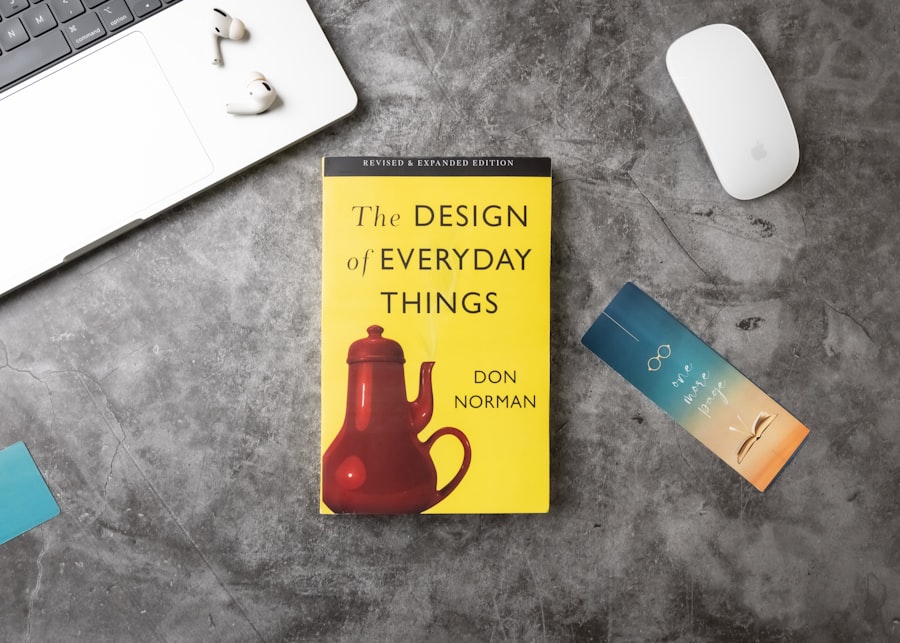
The psychology behind visual appeal is a fascinating area that can greatly influence how readers perceive your book. You might be surprised to learn that colors, shapes, and layouts can evoke specific emotions and reactions. For instance, warm colors like red and orange can create feelings of excitement and passion, while cooler tones like blue and green often evoke calmness and tranquility. By understanding these psychological principles, you can make informed design choices that resonate with your target audience.
Additionally, the layout of your book plays a crucial role in guiding the reader’s experience. A well-structured design can lead to better comprehension and retention of information. You may want to consider how elements like white space, font size, and image placement can affect readability and engagement. By prioritizing visual appeal in your book design, you not only attract readers but also enhance their overall experience, making them more likely to recommend your work to others.
Leveraging High-End Materials for Premium Book Production
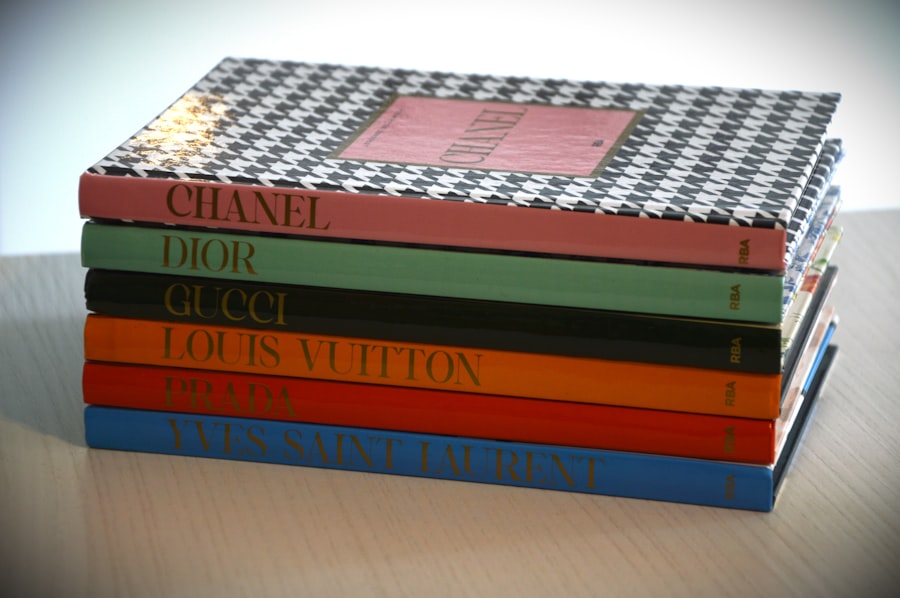
When it comes to premium book production, the materials you choose can make all the difference. You might consider using high-quality paper that feels luxurious to the touch, or opting for unique binding techniques that add an element of sophistication. The tactile experience of holding a well-crafted book can create a lasting impression on readers, making them more likely to cherish it as a keepsake rather than just another title on their shelf.
In addition to paper quality, you may want to explore options like embossed covers, foil stamping, or even custom illustrations that enhance the visual appeal of your book. These high-end materials not only elevate the aesthetic value but also communicate a sense of care and attention to detail. By investing in premium production techniques, you signal to your readers that your work is worth their time and money, fostering a deeper appreciation for what you have created.
In exploring the intricate relationship between design and consumer perception, the article on publication products offers valuable insights that complement the themes discussed in “Publishing Mastery: The Psychology of Premium Book Design for Luxury Brands.” Both pieces delve into how high-quality design not only enhances the aesthetic appeal of a product but also reinforces brand identity and elevates customer experience. By understanding these dynamics, luxury brands can effectively leverage premium book design to captivate their audience and foster deeper connections.
The Role of Exclusivity in Luxury Book Publishing
| Metrics | Data |
|---|---|
| Number of Pages | 200 |
| Book Size | 8.5 x 11 inches |
| Print Quality | High-definition |
| Binding | Hardcover |
| Typography | Custom-designed |
| Illustrations | Full-color |
Exclusivity is a key component of luxury branding, and it plays a significant role in how readers perceive your book. When you create limited editions or special releases, you tap into the desire for unique experiences that many readers crave. You might consider offering signed copies or including exclusive content that isn’t available in standard editions. This strategy not only enhances the perceived value of your book but also creates a sense of urgency among potential buyers.
Furthermore, exclusivity can foster a community around your work. When readers feel like they are part of an exclusive group—whether through membership programs or special events—they are more likely to engage with your brand on a deeper level. You may find that this sense of belonging encourages loyalty and advocacy among your readers, turning them into passionate ambassadors for your work.
Creating an Emotional Connection through Premium Book Design
One of the most powerful aspects of premium book design is its ability to forge emotional connections with readers. You might consider how elements like imagery, typography, and layout can evoke feelings that resonate with your audience. For instance, using nostalgic imagery or themes can transport readers back to cherished memories, while modern designs may appeal to those seeking innovation and freshness. By tapping into these emotional triggers, you can create a more profound connection between your book and its readers.
Additionally, storytelling plays a crucial role in this emotional engagement. You may want to think about how the design elements complement the narrative within your book. A cohesive design that reflects the themes and emotions of your story can enhance the reader’s experience and make it more memorable. By prioritizing emotional connection in your premium book design, you not only enrich the reading experience but also encourage readers to share their journey with others.
The Influence of Color and Typography in Luxury Book Design
Color and typography are two fundamental elements that can significantly impact luxury book design. As you explore these components, consider how different colors can evoke specific emotions or associations. For example, gold often symbolizes luxury and prestige, while deep blues may convey trustworthiness and depth. By carefully selecting a color palette that aligns with your book’s themes and target audience, you can create an immediate visual impact that draws readers in.
Typography is equally important in conveying the tone and personality of your book. You might experiment with various fonts to find one that complements your content while also enhancing readability. A well-chosen typeface can evoke sophistication or playfulness, depending on what you’re aiming for. By harmonizing color and typography in your design, you create a cohesive visual identity that resonates with readers and reinforces the luxury aspect of your publication.
Incorporating Customization and Personalization in Premium Book Publishing
In an age where personalization is increasingly valued by consumers, incorporating customization into premium book publishing can set you apart from competitors. You might consider offering options for readers to personalize their copies—whether through custom covers, inscriptions, or even tailored content based on their preferences. This level of personalization not only enhances the reader’s connection to the book but also makes it feel like a unique treasure.
Moreover, customization can extend beyond individual copies to include limited runs or themed editions that cater to specific audiences or occasions. By creating books that resonate with particular interests or milestones—such as anniversaries or graduations—you tap into the emotional significance of these events for readers. This approach not only boosts sales but also fosters loyalty among those who appreciate the thoughtfulness behind such offerings.
The Importance of Storytelling in Luxury Book Design
Storytelling is at the heart of every great book, but its importance extends beyond just the narrative itself; it also encompasses how that story is presented visually. As you think about luxury book design, consider how each design element contributes to telling your story more effectively. From cover art that captures the essence of your narrative to interior layouts that guide readers through the journey, every detail matters.
You might also explore how storytelling can be enhanced through interactive elements or multimedia components in digital formats. By integrating technology into your design—such as augmented reality features or companion websites—you create an immersive experience that deepens reader engagement. Ultimately, by prioritizing storytelling in luxury book design, you ensure that every aspect of your publication works harmoniously to captivate and inspire your audience.
Building a Strong Brand Identity through Premium Book Publishing
A strong brand identity is essential for any author or publisher looking to make their mark in the industry. Premium book publishing offers an opportunity to cultivate this identity by aligning every aspect of your work with your core values and vision. You might consider how elements like cover design, typography, and even marketing strategies reflect who you are as an author or publisher.
By consistently delivering high-quality products that embody your brand ethos, you build trust with your audience over time. Readers will come to recognize your unique style and voice, making them more likely to seek out future releases from you. This strong brand identity not only enhances your reputation but also creates a loyal community around your work—one that values what you bring to the literary world.
The Future of Premium Book Design in the Luxury Market
As you look ahead to the future of premium book design in the luxury market, it’s clear that innovation will play a crucial role in shaping trends and consumer preferences. You may find that advancements in technology—such as 3D printing or sustainable materials—will open new avenues for creativity in book production. These innovations could allow for even more personalized experiences while maintaining high standards of quality.
Moreover, as consumer values shift towards sustainability and ethical practices, there will be an increasing demand for eco-friendly materials and production methods within luxury publishing. By embracing these changes and adapting to evolving market trends, you position yourself at the forefront of premium book design—ready to meet the needs of discerning readers who seek both beauty and responsibility in their literary choices.
In conclusion, premium book design is not merely an aesthetic choice; it is a powerful tool for creating lasting connections with readers while establishing a strong brand identity in an increasingly competitive market. By understanding its various facets—from luxury branding and emotional engagement to customization and storytelling—you can craft books that resonate deeply with audiences and stand out as true works of art in their own right.