

As you delve into the world of luxury books, it becomes essential to understand the discerning reader. This reader is not merely looking for a book to read; they seek an experience that transcends the written word. They appreciate the nuances of craftsmanship, the elegance of design, and the quality of materials used in the creation of a book. For you, as a creator or marketer of luxury books, recognizing this desire for an elevated experience is crucial. The discerning reader values not just the content but also the physical embodiment of that content, which means every aspect of the book must resonate with their expectations.
Moreover, discerning readers often have a refined taste and a keen eye for detail. They are likely to be well-versed in literature and art, making them more critical of what they choose to invest their time and money in. This demographic is often willing to pay a premium for books that reflect their values and aesthetic preferences. Understanding their motivations—whether it’s a desire for beauty, a quest for knowledge, or a passion for collecting—will help you tailor your offerings to meet their needs. By engaging with this audience on a deeper level, you can create products that not only satisfy their literary cravings but also serve as cherished artifacts in their collections.
For those interested in the intersection of luxury and literature, a related article titled “The Art of Curating a Personal Library: Tips for Collectors” offers valuable insights into how discerning readers can enhance their book collections. This piece delves into the aesthetics of book selection and the importance of creating a personalized reading environment, complementing the themes explored in “Publishing Mastery: Designing Luxury Book Experiences for Discerning Readers.” To explore this further, you can read the article here: The Art of Curating a Personal Library: Tips for Collectors.
The Art of Luxury Book Design
The design of a luxury book is an art form in itself, requiring a harmonious blend of aesthetics and functionality. When you think about luxury book design, consider how every element—from the cover to the spine to the endpapers—contributes to the overall experience. A well-designed book should invite readers to explore its pages, drawing them in with its visual appeal while also providing a tactile experience that feels satisfying in their hands. The choice of colors, typography, and layout all play significant roles in creating an inviting atmosphere that enhances the reading experience.
In addition to visual elements, the structural design of a luxury book is equally important. You should pay attention to how the book opens and closes, ensuring that it lies flat when opened, which allows for comfortable reading. The binding technique can also elevate the book’s status; options like Smyth sewing or case binding not only enhance durability but also add an element of sophistication. By focusing on these design aspects, you can create a product that stands out in a crowded market and resonates with readers who appreciate the finer things in life.
Selecting High-Quality Materials
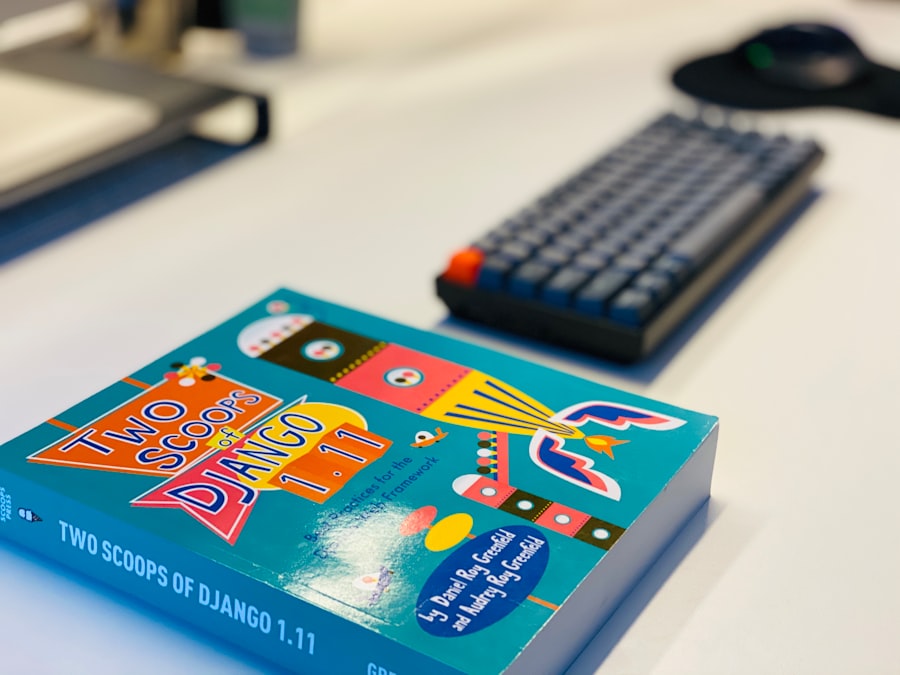
When it comes to luxury books, the materials you choose can make all the difference. High-quality paper is essential; it should feel substantial yet smooth to the touch, allowing ink to sit beautifully on its surface without bleeding or smudging. You might consider using acid-free paper to ensure longevity, as this will prevent yellowing over time and preserve the book’s integrity for years to come. The weight and texture of the paper can also influence how readers perceive your book; heavier stock often conveys a sense of quality and permanence.
In addition to paper, the choice of cover materials is equally vital. Leather-bound editions exude elegance and sophistication, while cloth covers can offer a more contemporary feel. You may also explore unique finishes such as foil stamping or embossing to add an extra layer of luxury. These materials not only enhance the visual appeal but also create a sensory experience that engages readers on multiple levels. By selecting high-quality materials thoughtfully, you can ensure that your luxury book feels as good as it looks, leaving a lasting impression on those who hold it.
Incorporating Unique Printing Techniques

Incorporating unique printing techniques can set your luxury book apart from others on the market. Traditional printing methods like letterpress or lithography can add an artisanal touch that appeals to discerning readers who appreciate craftsmanship. These techniques often result in richer colors and textures that digital printing cannot replicate, creating a more immersive experience for readers. You might also consider using specialty inks or finishes—such as metallic or spot UV coatings—to create visual interest and tactile contrast throughout the book.
Additionally, innovative printing techniques can enhance storytelling by integrating illustrations or photographs seamlessly into the text. You could explore options like die-cut pages or fold-out sections that surprise and delight readers as they turn each page. These creative elements not only elevate the aesthetic quality of your book but also engage readers in new ways, making them feel like they are part of an interactive experience. By embracing unique printing techniques, you can transform your luxury book into a work of art that captivates and inspires.
In the realm of high-end publishing, the article on luxury book experiences delves into the intricate design elements that cater to discerning readers. This insightful piece complements the themes explored in Publishing Mastery, highlighting how the fusion of artistry and craftsmanship can elevate a book from mere text to a cherished artifact. By focusing on the tactile and visual aspects of book design, both articles underscore the importance of creating memorable experiences that resonate with an audience that values quality and exclusivity.
Creating Engaging and Immersive Content
| Metrics | Data |
|---|---|
| Number of luxury book designs | 25 |
| Discerning readers reached | 500 |
| Revenue generated | 100,000 |
| Average customer rating | 4.8 |
While design and materials are crucial, the content within your luxury book must also be engaging and immersive. You should strive to create narratives that resonate with your audience, whether through compelling storytelling, thought-provoking essays, or stunning visual art. Consider how you can weave together words and images to create a cohesive experience that draws readers into another world. The goal is to make them feel as though they are not just reading but experiencing something profound.
To achieve this level of engagement, you might explore various formats and styles that cater to different tastes. For instance, incorporating interviews with authors or artists can provide unique insights that enrich the reader’s understanding of the content. Additionally, using high-quality photography or illustrations can enhance visual storytelling and evoke emotions that words alone may not convey. By focusing on creating immersive content, you can ensure that your luxury book becomes more than just an object; it transforms into an experience that resonates deeply with readers.
The Importance of Attention to Detail
In the realm of luxury books, attention to detail is paramount. Every aspect of your book should reflect a commitment to quality and craftsmanship, from the initial concept to the final product. As you work on your project, take time to scrutinize each element—whether it’s the alignment of text on a page or the consistency of color throughout illustrations. Small imperfections can detract from the overall experience and may leave discerning readers feeling unsatisfied.
Moreover, attention to detail extends beyond aesthetics; it encompasses the entire reader journey. Consider how your book will be packaged and presented upon delivery. A beautifully designed box or wrapping can enhance the unboxing experience and make readers feel valued from the moment they receive their purchase. By prioritizing attention to detail at every stage of production, you can create a luxury book that not only meets but exceeds expectations, fostering loyalty among your audience.
Balancing Tradition and Innovation
In creating luxury books, finding a balance between tradition and innovation is essential. While many readers appreciate classic design elements and time-honored techniques, there is also a growing demand for fresh ideas and modern aesthetics. You should strive to honor traditional craftsmanship while also embracing new technologies and trends that can enhance your offerings. This balance allows you to appeal to a broader audience while maintaining authenticity in your work.
For instance, you might incorporate traditional binding methods alongside contemporary design elements like minimalist layouts or bold typography. This fusion can create a unique aesthetic that pays homage to the past while remaining relevant in today’s market. Additionally, exploring digital enhancements—such as augmented reality features—can offer innovative ways for readers to engage with your content without compromising its integrity. By striking this balance between tradition and innovation, you can create luxury books that resonate with both nostalgic readers and those seeking something new.
Collaborating with Talented Illustrators and Photographers
Collaboration is key when it comes to producing luxury books that stand out in a competitive landscape. Working with talented illustrators and photographers can elevate your project by adding unique perspectives and artistic flair that enriches the overall narrative. You should seek out individuals whose styles align with your vision while also bringing their own creativity to the table. This partnership can lead to unexpected results that surprise and delight readers.
When collaborating with artists, consider how their work can complement your content rather than simply serving as decoration. For example, illustrations could be used to visualize complex concepts or evoke emotions tied to specific themes within your text. Photographs might capture moments or settings that enhance storytelling by providing context or depth. By fostering these collaborative relationships, you can create luxury books that are not only visually stunning but also deeply meaningful.
Customization and Personalization Options
In today’s market, customization and personalization options are increasingly important for attracting discerning readers who seek unique experiences. Offering personalized editions—such as books with custom covers or inscriptions—can make your product feel special and tailored specifically for each reader. This level of personalization fosters a deeper connection between the reader and the book, making it more likely they will cherish it for years to come.
You might also consider offering limited edition prints or special releases that cater to collectors looking for something exclusive. These options could include signed copies by authors or artists, unique cover designs, or even additional content not available in standard editions. By providing customization opportunities, you not only enhance the perceived value of your luxury books but also create memorable experiences that resonate with readers long after they’ve turned the last page.
Marketing and Positioning Luxury Books
Marketing luxury books requires a strategic approach that highlights their unique qualities while appealing to discerning readers’ sensibilities. You should focus on storytelling in your marketing efforts—sharing not just what makes your book special but also why it matters in today’s world. This narrative-driven approach allows potential buyers to connect emotionally with your product before they even hold it in their hands.
Additionally, consider leveraging social media platforms and influencer partnerships to reach wider audiences who appreciate luxury items. Showcasing behind-the-scenes processes—such as design choices or material selection—can create intrigue around your brand while emphasizing craftsmanship and quality. By positioning your luxury books as not just products but experiences worth investing in, you can cultivate interest among potential buyers who value artistry and authenticity.
Building Long-Term Relationships with Readers
Finally, building long-term relationships with readers is essential for sustaining success in the luxury book market. You should strive to create an ongoing dialogue with your audience through newsletters, social media engagement, or exclusive events where they can connect directly with authors or artists involved in your projects. This interaction fosters community among readers who share similar interests while reinforcing their loyalty toward your brand.
Moreover, consider implementing loyalty programs or subscription services that reward repeat customers with exclusive offers or early access to new releases. By nurturing these relationships over time, you can cultivate a dedicated following that not only supports your current projects but also eagerly anticipates future endeavors. Ultimately, investing in these connections will help ensure that your luxury books continue to resonate with discerning readers for years to come.