
As you embark on your journey as a writer, it’s essential to grasp the nuances of transitioning from a novice to a seasoned author. This shift is not merely about putting words on a page; it involves a profound transformation in how you perceive yourself and your work. You may find that the initial excitement of writing can quickly give way to self-doubt and uncertainty. Recognizing this emotional landscape is crucial. Embrace the fact that every writer experiences these feelings, and understand that they are part of the growth process.
Moreover, this transition requires you to cultivate a mindset that is open to learning and adaptation. You will encounter various challenges, from honing your craft to navigating the complexities of the publishing world. Each obstacle presents an opportunity for growth, pushing you to refine your skills and develop resilience. As you move forward, remember that every successful author has faced similar hurdles. By acknowledging your fears and embracing the journey, you can transform your writing aspirations into tangible achievements.
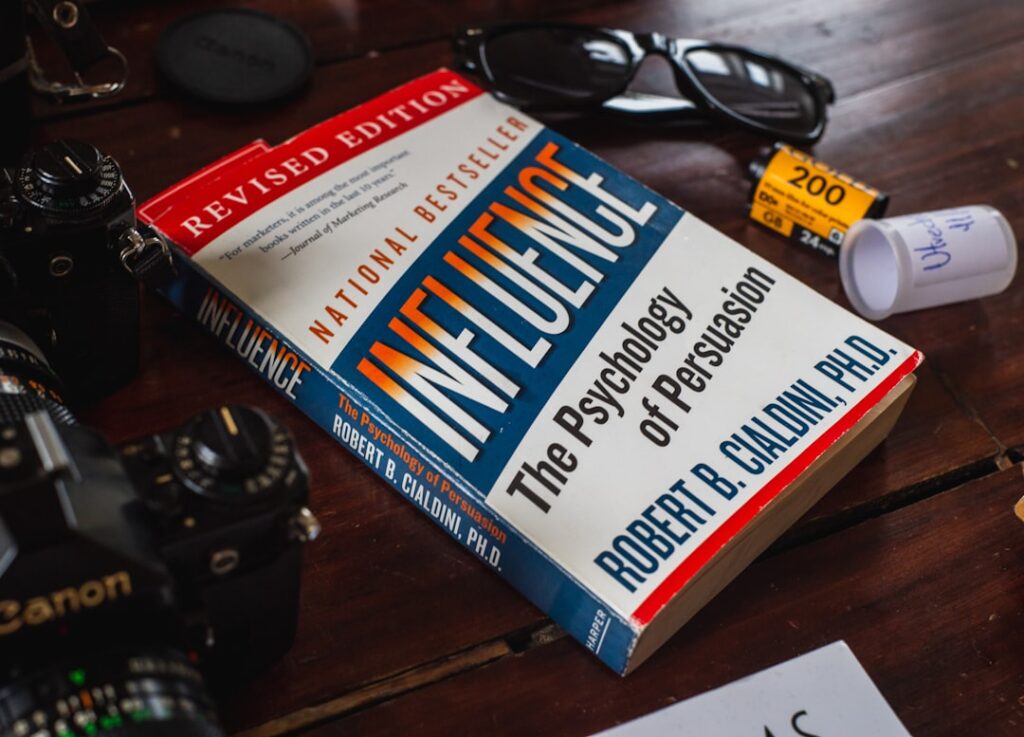
In the journey of becoming an authoritative author, it is essential to understand the nuances of effective communication and audience engagement. A related article that delves deeper into this topic is “The Art of Persuasion: Crafting Compelling Narratives,” which explores techniques for captivating readers and establishing credibility. For more insights on this subject, you can check out the article here: The Art of Persuasion: Crafting Compelling Narratives.
Identifying Your Unique Voice
Finding your unique voice is one of the most exhilarating aspects of writing. It’s the essence of who you are as a writer, and it sets you apart in a crowded literary landscape. To discover this voice, you must first engage in introspection. Reflect on your experiences, beliefs, and passions. What stories resonate with you? What themes do you feel compelled to explore? By delving into your personal narrative, you can unearth the distinctive qualities that will shape your writing style.
Once you have a clearer understanding of your voice, it’s time to experiment with it on the page. Write freely without the constraints of self-judgment. Allow your thoughts to flow naturally, and don’t be afraid to take risks with your language and style. This exploration will help you identify what feels authentic and comfortable for you. Remember, your voice will evolve over time, so remain open to change as you grow as a writer. Embrace the journey of self-discovery, and let your unique perspective shine through in every piece you create.
Developing a Compelling Narrative

Crafting a compelling narrative is at the heart of effective writing. A strong narrative not only captures attention but also engages readers on an emotional level. To achieve this, start by outlining the core message or theme you wish to convey. What do you want your readers to take away from your work? Once you have clarity on this, consider how to structure your narrative effectively. A well-organized plot with a clear beginning, middle, and end will guide your readers through the story seamlessly.
In addition to structure, character development plays a pivotal role in creating a compelling narrative. Your characters should be relatable and multi-dimensional, allowing readers to connect with them on a deeper level. Invest time in fleshing out their backgrounds, motivations, and conflicts. This depth will not only enhance your narrative but also make it more engaging for your audience. As you weave together plot and character, remember that tension and conflict are essential elements that drive the story forward. Keep your readers invested by introducing challenges that your characters must overcome, ultimately leading to a satisfying resolution.
Establishing Credibility as an Authoritative Author
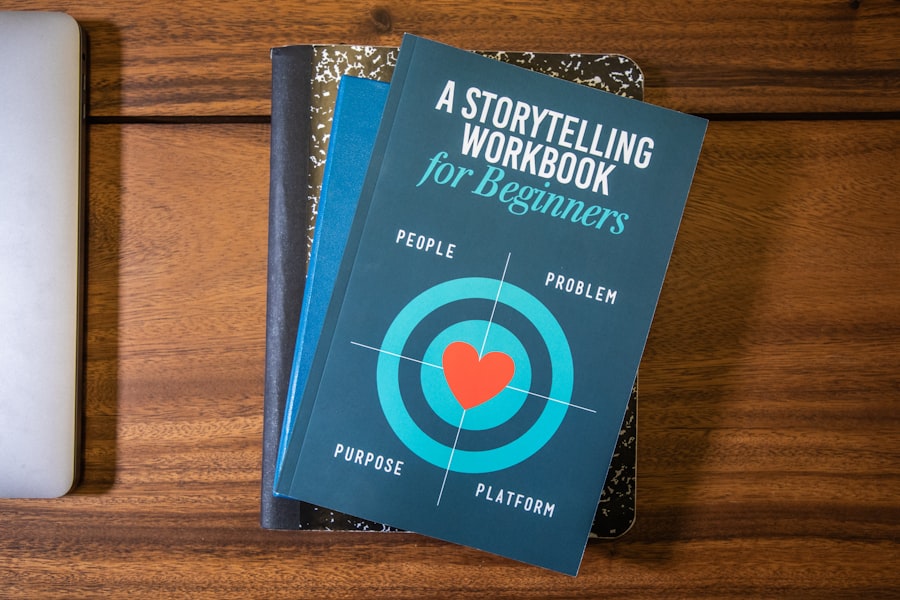
Establishing credibility is vital for any writer seeking to make an impact in their field. Readers are more likely to engage with your work if they perceive you as knowledgeable and trustworthy. To build this credibility, start by immersing yourself in research related to your writing topics. Whether you’re writing fiction or non-fiction, having a solid understanding of your subject matter will enhance your authority as an author.
Additionally, consider sharing your expertise through various platforms. Blogging, speaking engagements, or participating in workshops can help position you as an authority in your niche. By sharing valuable insights and engaging with others in your field, you not only build credibility but also expand your network. Remember that credibility is not built overnight; it requires consistent effort and dedication to your craft. As you continue to grow and learn, your reputation as an authoritative author will naturally follow.
In the journey of becoming an authoritative author, it’s essential to explore various resources that can enhance your understanding of the transition from expert to influential voice. One such insightful article discusses the nuances of establishing credibility and engaging with your audience effectively. For more information on this topic, you can read about it in this related article, which provides valuable tips and strategies for aspiring authors looking to make their mark in the literary world.
Navigating the Publishing Process
| Metrics | Value |
|---|---|
| Number of Published Articles | 25 |
| Engagement Rate | 12% |
| Number of Followers | 5000 |
| Feedback Score | 4.5/5 |
The publishing process can often feel overwhelming, especially for new authors. However, understanding the various pathways available can help demystify this journey. You have two primary options: traditional publishing and self-publishing. Traditional publishing involves submitting your manuscript to literary agents or publishers who will handle the production and distribution of your book. This route often requires patience and persistence but can lead to greater visibility and support.
On the other hand, self-publishing offers you complete control over the entire process—from editing to marketing. While this option allows for creative freedom, it also demands that you take on multiple roles as an author-entrepreneur. Whichever path you choose, familiarize yourself with industry standards and best practices. Research potential publishers or platforms thoroughly, ensuring they align with your goals as an author. By being informed and proactive in navigating the publishing landscape, you can set yourself up for success.
Leveraging Your Expertise in Writing
Your expertise is one of your greatest assets as a writer. Whether it stems from professional experience or personal passion, leveraging this knowledge can significantly enhance the quality of your work. Start by identifying areas where you possess unique insights or skills that can enrich your writing. This could involve drawing from your career background or exploring hobbies that inspire creativity.
Once you’ve pinpointed these areas of expertise, find ways to incorporate them into your writing projects. This not only adds depth to your narratives but also establishes you as a credible source within your niche. Consider writing articles or essays that showcase your knowledge while also engaging with current trends or discussions in your field. By positioning yourself as an expert, you can attract a dedicated readership eager to learn from your insights.
Engaging with Your Audience
Engagement is key to building a loyal readership and fostering a sense of community around your work. As an author, it’s essential to connect with your audience on multiple levels—through social media, newsletters, or book signings. Utilize these platforms not just for promotion but also for genuine interaction. Share behind-the-scenes glimpses of your writing process or ask for feedback on potential ideas; this transparency can create a deeper bond with your readers.
Moreover, consider hosting events such as Q&A sessions or webinars where readers can engage directly with you. These opportunities allow for meaningful conversations and provide insights into what resonates with your audience. By actively listening to their thoughts and preferences, you can tailor future projects to better meet their interests while also fostering a sense of belonging within your community.
Balancing Authority and Approachability
Striking the right balance between authority and approachability is crucial for any author looking to connect with their audience effectively. While it’s important to establish yourself as knowledgeable in your field, being relatable is equally vital in fostering reader loyalty. To achieve this balance, consider how you present yourself both in writing and in public interactions.
When crafting content, aim for a tone that is both informative and conversational. Avoid jargon-heavy language that may alienate readers; instead, strive for clarity and accessibility in your writing style. Additionally, share personal anecdotes or experiences that humanize you as an author—this vulnerability can create a sense of intimacy with your audience. By being approachable while maintaining authority in your subject matter, you can cultivate trust and encourage readers to engage more deeply with your work.
Crafting a Strong Author Platform
A strong author platform is essential for promoting your work and reaching a wider audience. This platform encompasses all the channels through which you connect with readers—your website, social media profiles, email newsletters, and more. Start by creating a professional website that showcases your writing portfolio, biography, and contact information. This serves as a central hub where readers can learn more about you and explore your work.
In addition to having a website, actively engage on social media platforms relevant to your audience. Share updates about upcoming projects, insights into your writing process, or even snippets from works-in-progress. Consistency is key; regularly posting content will keep readers engaged while also attracting new followers who resonate with your message. By building a robust author platform, you create opportunities for connection and collaboration within the literary community.
Building a Lasting Author Brand
Your author brand is more than just a logo or tagline; it’s the overall perception readers have of you and your work. To build a lasting brand, start by defining what sets you apart from other authors in your genre or niche. Consider elements such as themes you frequently explore or unique storytelling techniques that characterize your writing style.
Once you’ve established these core elements of your brand identity, ensure consistency across all platforms—your website design should reflect the tone of your writing, while social media posts should align with the themes present in your work. Additionally, consider how you communicate with readers; maintaining an authentic voice will reinforce brand recognition over time. By cultivating a strong author brand that resonates with readers emotionally, you’ll create lasting connections that extend beyond individual works.
Sustaining Your Authority in the Writing Industry
Sustaining authority in the writing industry requires ongoing commitment and adaptability as trends evolve over time. Stay informed about changes within publishing practices or shifts in reader preferences by engaging with industry news sources or attending relevant conferences and workshops. This knowledge will not only keep you relevant but also position you as an informed voice within discussions surrounding literature.
Furthermore, continue honing your craft through regular practice and feedback from peers or mentors—this dedication will enhance both skill level and credibility over time. Consider diversifying your writing projects by exploring different genres or formats; this versatility can broaden appeal while showcasing adaptability within an ever-changing landscape.
By remaining proactive about growth opportunities while nurturing connections within the literary community, you’ll sustain authority throughout various stages of your career as an author—ultimately leading to lasting success in achieving both personal fulfillment through creative expression alongside professional recognition within the industry.