


As you embark on your writing journey, you may find yourself facing a phenomenon known as the mid-manuscript slump. This stage often occurs when you are deep into your project, and the initial excitement has begun to wane. You might feel overwhelmed by the enormity of the task ahead, or perhaps the story you envisioned has taken unexpected turns that leave you feeling lost. Understanding this slump is crucial; it’s not just a hurdle but a common experience among writers. Recognizing that you are not alone in this struggle can provide a sense of comfort and reassurance.
The mid-manuscript slump can manifest in various ways. You may experience a lack of motivation, difficulty in maintaining focus, or even a sense of doubt about your writing abilities. It’s essential to acknowledge these feelings rather than dismiss them. By understanding that this phase is a natural part of the creative process, you can begin to navigate through it with more clarity and purpose. Embracing this understanding allows you to approach your writing with renewed determination, knowing that overcoming this slump is possible.
In the journey of writing, many authors encounter challenges that can lead to a mid-manuscript slump, as discussed in the article “Authoring Insights: Overcoming the Mid-Manuscript Slump with Intentionality.” For those seeking additional strategies and inspiration, a related article that offers valuable tips and resources is available at this link. This resource provides a curated list of tools and techniques designed to help writers maintain their momentum and creativity throughout the writing process.
Recognizing the Signs of Mid-Manuscript Slump
Recognizing the signs of a mid-manuscript slump is the first step toward overcoming it. You might notice that your enthusiasm for writing has diminished significantly. What once felt like an exhilarating journey may now seem like a daunting task. You may find yourself procrastinating more often, choosing to scroll through social media or binge-watch shows instead of putting pen to paper. This shift in behavior is a clear indicator that you are experiencing a slump.
Another sign to watch for is a growing sense of frustration or self-doubt. You may begin to question the quality of your work or whether your story is worth telling at all. These negative thoughts can be paralyzing, making it difficult to move forward. It’s important to recognize these feelings as part of the creative process rather than as definitive judgments on your abilities. By identifying these signs early on, you can take proactive steps to address them and reignite your passion for writing.
Setting Clear Goals and Intentions for Your Writing
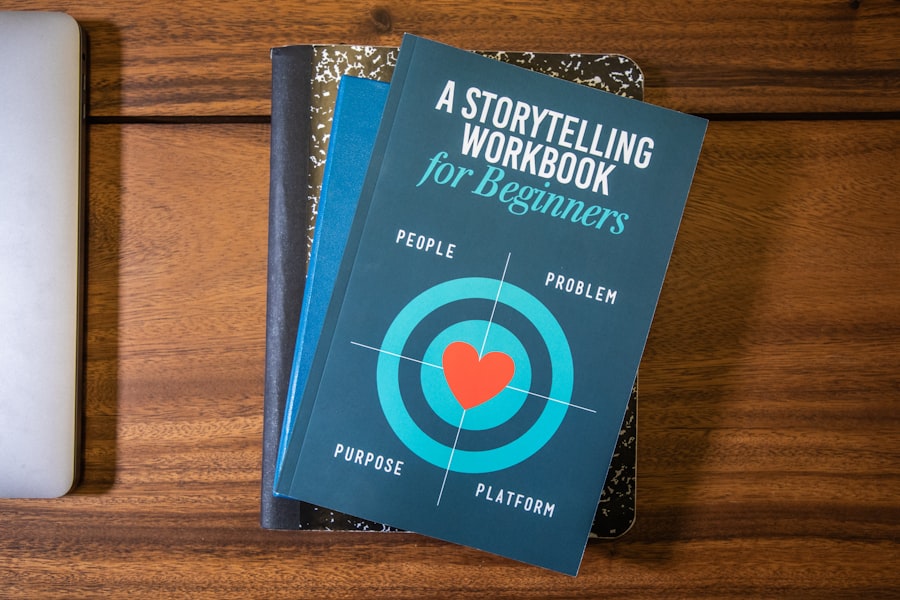
Once you’ve recognized that you’re in a mid-manuscript slump, setting clear goals and intentions can be a powerful way to regain your focus. Start by defining what you want to achieve with your writing project. Are you aiming to complete a certain number of words each week? Or perhaps you want to finish a specific chapter by the end of the month? Whatever your goals may be, make sure they are realistic and attainable. This clarity will provide you with a roadmap to follow, making the writing process feel less overwhelming.
In addition to setting goals, it’s equally important to establish intentions behind your writing. Reflect on why you started this project in the first place. What message do you want to convey? What emotions do you hope to evoke in your readers? By reconnecting with your original intentions, you can reignite your passion and motivation. This deeper understanding of your purpose will serve as a guiding light during challenging times, helping you push through the slump and stay committed to your writing journey.
Establishing a Consistent Writing Routine

Creating a consistent writing routine is another effective strategy for overcoming the mid-manuscript slump. By establishing specific times dedicated solely to writing, you can train your mind to enter a creative space more easily. Consider what time of day you feel most productive—whether it’s early morning or late at night—and carve out that time in your schedule. Consistency breeds habit, and soon enough, writing will become an integral part of your daily life.
In addition to setting aside time, consider creating a conducive environment for writing. This could mean finding a quiet space free from distractions or surrounding yourself with inspiring materials like books or artwork. The key is to create an atmosphere that encourages creativity and focus. As you stick to your routine, you may find that the words flow more freely, helping you break through the barriers of the mid-manuscript slump.
In the journey of writing, many authors encounter a challenging phase known as the mid-manuscript slump, where motivation can wane and progress stalls. To combat this, intentionality becomes crucial, as discussed in the article “Authoring Insights: Overcoming the Mid-Manuscript Slump with Intentionality.” For those looking to further enhance their writing process, a related resource can be found in the article on effective writing tools and strategies available at this link, which offers valuable insights to help authors stay focused and inspired throughout their projects.
Utilizing Mindfulness and Self-Care Practices
| Metrics | Data |
|---|---|
| Manuscript Progress | 50% |
| Words Written | 25,000 |
| Time Spent | 20 hours |
| Chapters Completed | 5 |
Incorporating mindfulness and self-care practices into your writing routine can significantly enhance your creative process. When you’re feeling stuck or overwhelmed, taking a step back to practice mindfulness can help clear your mind and refocus your energy. Techniques such as meditation, deep breathing exercises, or even short walks can provide mental clarity and reduce stress levels. By prioritizing your mental well-being, you create a healthier mindset for tackling your writing challenges.
Self-care also extends beyond mindfulness practices; it includes nurturing your physical health as well. Ensure that you’re getting enough sleep, eating nutritious meals, and engaging in regular physical activity. These elements contribute to overall well-being and can have a profound impact on your creativity and productivity. When you take care of yourself holistically, you’ll find that you’re better equipped to face the ups and downs of the writing process.
In the journey of writing, many authors encounter challenges that can lead to a mid-manuscript slump, a topic explored in the article “Authoring Insights: Overcoming the Mid-Manuscript Slump with Intentionality.” To further enhance your understanding of this issue, you might find it helpful to read a related piece that discusses various strategies for maintaining motivation and focus throughout the writing process. This insightful article can be found at this link, where you can discover additional tips and techniques to keep your creative momentum alive.
Seeking Support and Accountability
One of the most effective ways to navigate through a mid-manuscript slump is by seeking support from others. Connecting with fellow writers can provide encouragement and motivation when you need it most. Consider joining a writing group or participating in online forums where you can share your experiences and challenges with like-minded individuals. This sense of community can remind you that you’re not alone in your struggles and that others have successfully overcome similar obstacles.
Accountability is another powerful tool in combating the mid-manuscript slump. Share your goals with someone who can help keep you on track—whether it’s a friend, family member, or fellow writer. Regular check-ins can provide the motivation needed to push through difficult moments. Knowing that someone else is invested in your progress can inspire you to stay committed to your writing journey, even when the going gets tough.
Embracing the Editing and Revision Process
As you work through the mid-manuscript slump, it’s essential to embrace the editing and revision process as an integral part of writing rather than viewing it as a chore. Many writers find themselves stuck because they feel pressured to produce perfect drafts on their first attempt. However, understanding that writing is an iterative process can alleviate some of that pressure. Allow yourself the freedom to write without judgment during the initial stages; revisions can come later.
When you approach editing with an open mind, it becomes an opportunity for growth rather than a source of frustration. Take time to review what you’ve written critically but compassionately. Look for areas where you can enhance character development, strengthen plot points, or refine dialogue. This process not only improves your manuscript but also reignites your passion for storytelling as you see how much potential lies within your work.
Exploring Creative Techniques to Overcome Writer’s Block
If you’re feeling particularly stuck during the mid-manuscript slump, exploring creative techniques can help unlock new ideas and perspectives. One effective method is freewriting—set a timer for ten minutes and write without stopping or censoring yourself. This exercise encourages spontaneity and can lead to unexpected insights about your story or characters.
Another technique is to change your writing environment or medium temporarily. If you’ve been typing away at your computer, try switching to pen and paper or even dictating your thoughts aloud. A change in scenery or method can stimulate creativity and help break through mental barriers. Experimenting with different approaches allows you to discover what works best for you during challenging times.
Finding Inspiration and Motivation in the Writing Community
The writing community is filled with resources and inspiration that can help lift you out of a mid-manuscript slump. Engage with fellow writers through social media platforms, blogs, or local workshops where ideas are exchanged freely. Reading about others’ experiences can provide valuable insights into overcoming similar challenges and reigniting passion for storytelling.
Additionally, consider attending literary events such as book readings or author talks. These gatherings not only expose you to new ideas but also remind you of the power of storytelling and its impact on readers’ lives. Surrounding yourself with passionate individuals who share your love for writing can reignite your motivation and inspire fresh ideas for your own work.
Celebrating Milestones and Progress
As you navigate through the mid-manuscript slump, it’s crucial to celebrate milestones and progress along the way—no matter how small they may seem. Acknowledging achievements helps reinforce positive habits and keeps motivation high. Whether it’s completing a chapter, reaching a word count goal, or simply showing up consistently for your writing sessions, take time to recognize these accomplishments.
Consider creating a reward system for yourself as well; treat yourself after reaching specific milestones with something enjoyable—a favorite snack, a relaxing bath, or even a day off from writing to recharge. Celebrating these moments fosters a sense of accomplishment and encourages continued progress on your manuscript.
Reflecting on Your Writing Journey and Setting New Intentions
Finally, take time to reflect on your writing journey as a whole—what have you learned about yourself as a writer? What challenges have shaped your growth? Reflecting on these experiences allows you to appreciate how far you’ve come while also identifying areas for improvement moving forward.
As you conclude this reflection process, set new intentions for your writing practice moving ahead. Perhaps it’s committing to write more regularly or exploring new genres that excite you creatively. By establishing fresh goals based on past experiences, you’ll cultivate an ongoing sense of purpose in your writing journey—one that propels you beyond any future slumps into new realms of creativity and expression.
In conclusion, navigating through the mid-manuscript slump requires patience, self-compassion, and proactive strategies tailored specifically for you as an individual writer. By understanding this phase’s nature while implementing practical techniques such as goal-setting, establishing routines, seeking support from others within the community—all while embracing both mindfulness practices alongside celebrating progress—you’ll emerge stronger than ever before ready to tackle whatever challenges lie ahead!