


Holistic wellness is a comprehensive approach to health that considers the whole person—mind, body, and spirit. It emphasizes the interconnectedness of these elements and recognizes that true well-being cannot be achieved by focusing on just one aspect of life. You may find that when you nurture your physical health, mental clarity, and emotional stability, you create a more balanced and fulfilling existence. This perspective encourages you to explore various dimensions of wellness, including emotional, social, spiritual, intellectual, and environmental factors.
As you delve deeper into holistic wellness, you might discover that it involves more than just the absence of illness. It’s about thriving in all areas of your life. You may begin to appreciate how your thoughts and feelings influence your physical health and how your environment impacts your emotional well-being. By understanding this interconnectedness, you can take proactive steps to enhance your overall quality of life, leading to greater satisfaction and happiness.
The Importance of Personal Enrichment
Personal enrichment is essential for fostering a sense of fulfillment and purpose in your life. Engaging in activities that stimulate your mind and spirit can lead to a more profound understanding of yourself and the world around you. You might find that pursuing hobbies, learning new skills, or engaging in creative endeavors not only enhances your knowledge but also boosts your confidence and self-esteem. This journey of self-discovery can be incredibly rewarding, allowing you to connect with your passions and interests on a deeper level.
Moreover, personal enrichment can serve as a powerful antidote to the stresses of daily life. When you invest time in activities that bring you joy and satisfaction, you create a buffer against the pressures of work and other responsibilities. You may notice that these enriching experiences provide you with a renewed sense of energy and motivation, enabling you to approach challenges with a fresh perspective. By prioritizing personal enrichment, you cultivate a more vibrant and meaningful existence.
Balancing Professional Demands with Personal Well-being
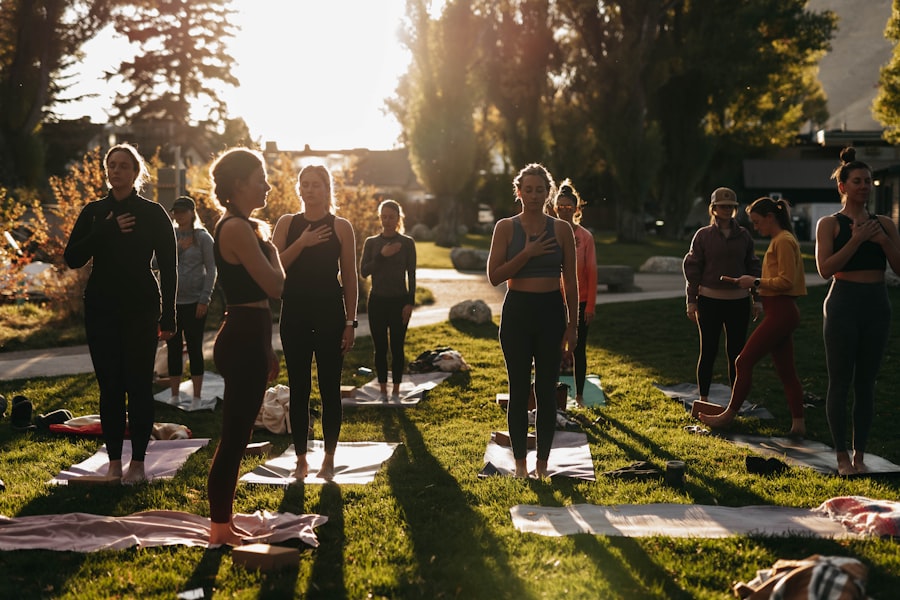
In today’s fast-paced world, balancing professional demands with personal well-being can feel like an uphill battle. You may often find yourself juggling multiple responsibilities, leaving little time for self-care or personal interests. However, recognizing the importance of this balance is crucial for maintaining your overall health and happiness. When work consumes all your time and energy, it can lead to burnout, decreased productivity, and strained relationships.
To achieve a healthier balance, it’s essential to set clear priorities and boundaries. You might consider evaluating your current commitments and determining which ones align with your values and goals. By learning to say no to tasks that do not serve your well-being, you create space for activities that nourish your mind and spirit. Additionally, incorporating regular breaks into your workday can help you recharge and maintain focus, ultimately enhancing both your professional performance and personal satisfaction.
Incorporating Holistic Wellness Practices into Daily Routine
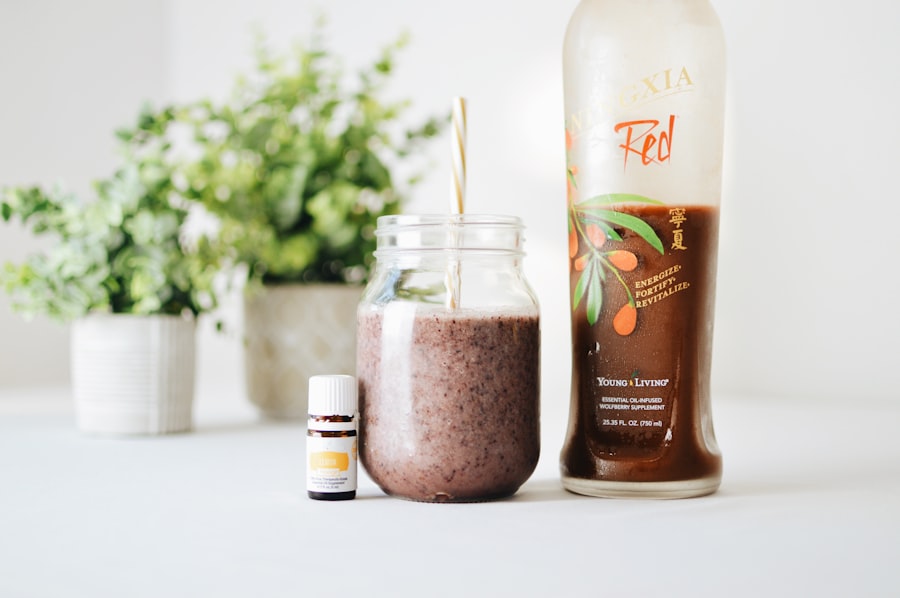
Integrating holistic wellness practices into your daily routine doesn’t have to be overwhelming; small changes can make a significant impact over time. You might start by incorporating mindfulness techniques into your morning routine. Taking just a few minutes each day to meditate or practice deep breathing can set a positive tone for the day ahead. As you become more attuned to your thoughts and feelings, you may find it easier to navigate challenges with grace and resilience.
Another effective way to embrace holistic wellness is by creating a balanced schedule that includes time for physical activity, social connections, and relaxation. You could designate specific times during the week for exercise or social outings with friends and family. By intentionally carving out time for these activities, you reinforce their importance in your life and create a sense of accountability. Over time, these practices can become ingrained in your routine, leading to lasting improvements in your overall well-being.
Mindfulness and Stress Management Techniques for Professionals
| Wellness Area | Metrics |
|---|---|
| Physical Wellness | Exercise frequency per week |
| Emotional Wellness | Stress level (1-10 scale) |
| Mental Wellness | Hours of mindfulness practice per week |
| Social Wellness | Number of meaningful social interactions per week |
| Spiritual Wellness | Time spent in spiritual activities per week |
Mindfulness is a powerful tool for managing stress in both personal and professional settings. As a busy professional, you may often find yourself caught up in the whirlwind of deadlines and responsibilities. Practicing mindfulness allows you to cultivate awareness of the present moment, helping you step back from the chaos and regain control over your thoughts and emotions. Techniques such as mindful breathing or body scans can be easily integrated into your workday, providing moments of calm amidst the hustle.
In addition to mindfulness, exploring other stress management techniques can further enhance your ability to cope with pressure. You might consider journaling as a way to process your thoughts and feelings or engaging in physical activities like yoga or tai chi that promote relaxation and focus. By experimenting with different methods, you can discover what resonates most with you and develop a personalized toolkit for managing stress effectively.
Physical Fitness and Exercise for Busy Professionals
Maintaining physical fitness is vital for busy professionals who often prioritize work over their health. Regular exercise not only improves physical health but also enhances mental clarity and emotional resilience. You may find that even short bursts of activity throughout the day can make a significant difference in how you feel. Whether it’s taking a brisk walk during lunch breaks or incorporating quick workouts into your morning routine, every bit counts.
To make exercise more manageable within your busy schedule, consider setting realistic goals that align with your lifestyle. You might aim for 20-30 minutes of activity several times a week rather than committing to lengthy gym sessions. Additionally, finding activities you genuinely enjoy can make it easier to stay consistent. Whether it’s dancing, hiking, or participating in group sports, engaging in enjoyable physical activities can transform exercise from a chore into a rewarding experience.
Nutrition and Healthy Eating Habits for a Busy Lifestyle
Nutrition plays a crucial role in supporting holistic wellness, yet maintaining healthy eating habits can be challenging for busy professionals. You may often find yourself reaching for convenience foods or skipping meals altogether due to time constraints. However, prioritizing nutrition is essential for sustaining energy levels and enhancing overall well-being. By planning ahead and making mindful choices, you can cultivate healthier eating habits that fit seamlessly into your lifestyle.
One effective strategy is meal prepping—setting aside time each week to prepare nutritious meals in advance. This practice not only saves time during hectic weekdays but also ensures that you have healthy options readily available when hunger strikes. Additionally, focusing on whole foods such as fruits, vegetables, lean proteins, and whole grains can provide the nutrients necessary for optimal functioning. By making conscious choices about what you eat, you empower yourself to take charge of your health.
Finding Time for Self-care and Relaxation
In the midst of busy schedules and demanding responsibilities, finding time for self-care is essential yet often overlooked. You may feel guilty about taking time for yourself when there are so many tasks to complete; however, self-care is not selfish—it’s necessary for maintaining balance and preventing burnout. Prioritizing relaxation allows you to recharge physically and mentally so that you can show up fully in both your personal and professional life.
To carve out time for self-care, consider scheduling it into your calendar just like any other important appointment. Whether it’s indulging in a warm bath, reading a book, or practicing a hobby you love, dedicating time to activities that bring you joy is vital for nurturing your well-being. Additionally, exploring mindfulness practices such as meditation or gentle yoga can provide moments of tranquility amidst the chaos of daily life.
Building a Supportive Network for Personal Enrichment
A strong support network is invaluable for personal enrichment and overall well-being. Surrounding yourself with positive influences—friends, family members, mentors—can provide encouragement and motivation as you pursue your goals. You may find that sharing experiences with others who share similar interests fosters deeper connections and enriches your life in meaningful ways.
To build this supportive network, consider seeking out communities or groups that align with your passions or professional aspirations. Engaging in workshops or networking events can introduce you to like-minded individuals who inspire growth and collaboration. By nurturing these relationships, you create an environment where personal enrichment thrives—one where everyone encourages each other to pursue their dreams while maintaining balance in their lives.
Setting Boundaries and Prioritizing Personal Wellness
Setting boundaries is crucial for protecting your personal wellness amidst the demands of work and life. You may often feel pressured to say yes to every request or obligation; however, learning to assertively communicate your limits is essential for maintaining balance. By establishing clear boundaries around work hours or personal commitments, you create space for self-care and enrichment activities that nourish your soul.
Prioritizing personal wellness requires intentionality; it’s about recognizing that taking care of yourself ultimately benefits not only you but also those around you. When you prioritize your well-being, you become more present and engaged in both personal relationships and professional endeavors. By setting boundaries that honor your needs, you empower yourself to lead a more fulfilling life.
The Long-term Benefits of Integrating Holistic Wellness into Professional Life
Integrating holistic wellness into your professional life offers numerous long-term benefits that extend beyond immediate satisfaction. As you cultivate practices that support your mind, body, and spirit, you may notice improvements in productivity, creativity, and overall job satisfaction. A holistic approach fosters resilience against stressors while enhancing emotional intelligence—qualities that are invaluable in today’s dynamic work environment.
Moreover, prioritizing holistic wellness contributes to better physical health outcomes over time. By adopting healthy habits such as regular exercise, balanced nutrition, and mindfulness practices, you reduce the risk of chronic illnesses while boosting energy levels and mental clarity. Ultimately, embracing holistic wellness not only enriches your personal life but also enhances your professional journey—creating a harmonious balance that leads to lasting fulfillment in all areas of existence.