


In today’s fast-paced professional landscape, strategic networking has emerged as a cornerstone of career advancement and business success. You may find that the connections you cultivate can open doors to opportunities that would otherwise remain closed. Networking is not merely about exchanging business cards or attending events; it’s about building meaningful relationships that can lead to collaborations, partnerships, and even mentorships. By understanding the importance of strategic networking, you position yourself to leverage these relationships effectively, enhancing your career trajectory.
Moreover, strategic networking allows you to tap into a wealth of knowledge and resources. When you connect with others in your field, you gain access to insights that can inform your decisions and strategies. You might discover industry trends, best practices, or innovative ideas that can give you a competitive edge. The relationships you build can serve as a support system, providing guidance and encouragement as you navigate your professional journey. In essence, strategic networking is not just about what you can gain; it’s also about what you can contribute to others, creating a mutually beneficial ecosystem.
Identifying Key Players in Your Industry
To maximize the benefits of networking, it’s crucial to identify the key players in your industry. These individuals could be thought leaders, influencers, or decision-makers who hold significant sway over trends and opportunities within your field. Start by conducting thorough research to pinpoint these individuals. You might explore industry publications, attend webinars, or engage in online forums to gather insights about who is making waves in your sector. By understanding who the key players are, you can tailor your networking efforts to connect with those who matter most.
Once you’ve identified these influential figures, consider how you can approach them effectively. You may want to engage with their content on social media or attend events where they are speaking. When reaching out, be genuine in your approach; express your admiration for their work and articulate how you believe a connection could be mutually beneficial. Building relationships with key players can lead to invaluable opportunities, such as collaborations or introductions to other influential contacts within your network.
Leveraging Social Media for Professional Networking

In the digital age, social media has transformed the way professionals network. Platforms like LinkedIn, Twitter, and even Instagram offer unique opportunities for you to connect with others in your industry. By creating a strong online presence, you can showcase your expertise and engage with like-minded individuals. Start by optimizing your profiles; ensure they reflect your professional brand and highlight your accomplishments. This will make it easier for others to find and connect with you.
Engaging with content on social media is equally important. Share articles, comment on posts, and participate in discussions relevant to your field. This not only positions you as an active participant in your industry but also increases your visibility among peers and potential collaborators. Additionally, consider joining industry-specific groups or forums where you can interact with others who share your interests. By leveraging social media effectively, you can expand your network beyond geographical limitations and connect with professionals from around the world.
Building and Maintaining Relationships with High-Net-Worth Individuals
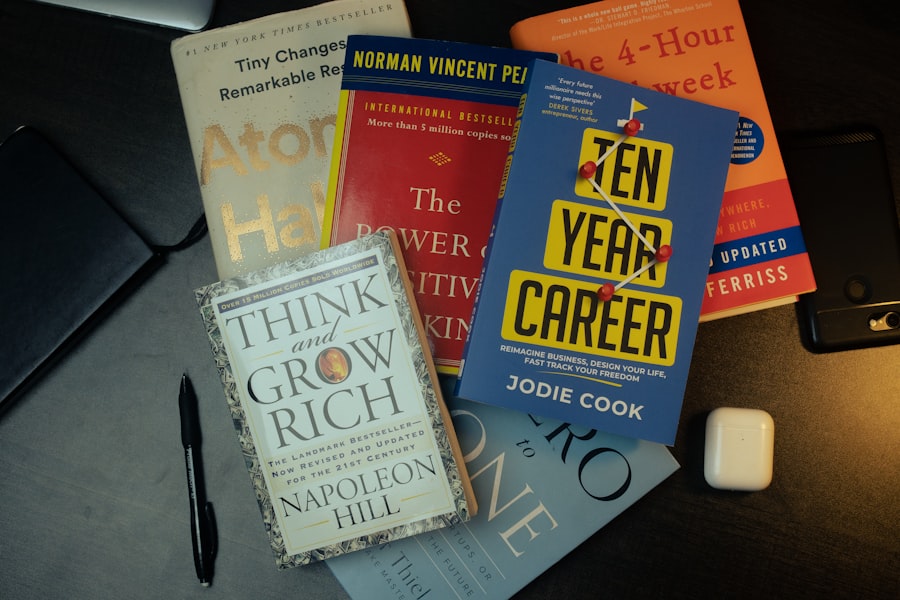
When it comes to networking, establishing relationships with high-net-worth individuals can be particularly advantageous. These individuals often have extensive networks themselves and can provide access to opportunities that may not be available through traditional channels. To build these relationships, focus on providing value first. Understand their interests and needs, and find ways to support them without expecting anything in return. This could involve sharing relevant information or connecting them with others who may benefit from their expertise.
Maintaining these relationships requires ongoing effort and attention. Regularly check in with high-net-worth individuals through personalized messages or invitations to events that align with their interests. You might also consider hosting exclusive gatherings or roundtable discussions where they can share their insights with others in your network. By nurturing these connections over time, you create a foundation of trust and mutual respect that can lead to fruitful collaborations and opportunities down the line.
Networking Events and Conferences: Making the Most of Opportunities
| Networking Event | Number of Attendees | New Connections Made | Potential Business Opportunities |
|---|---|---|---|
| Industry Conference | 200 | 15 | 5 |
| Professional Association Meeting | 50 | 10 | 3 |
| Networking Mixer | 100 | 20 | 7 |
Networking events and conferences present invaluable opportunities for you to connect with industry peers and leaders face-to-face. To make the most of these occasions, preparation is key. Research the event beforehand to identify attendees you’d like to meet and formulate a plan for how you’ll approach them. Consider setting specific goals for each event—whether it’s collecting a certain number of business cards or scheduling follow-up meetings with key contacts.
During the event itself, be proactive in engaging with others. Approach individuals with confidence, introduce yourself clearly, and express genuine interest in their work. Remember that networking is a two-way street; be prepared to share your own experiences and insights as well. After the event, follow up with those you connected with by sending personalized messages or connecting on social media. This reinforces the relationship and keeps the lines of communication open for future interactions.
Developing a Personal Brand for Networking Success
Your personal brand plays a significant role in how others perceive you within your industry. To develop a strong personal brand, start by identifying what sets you apart from others in your field. Consider your unique skills, experiences, and values that contribute to your professional identity. Once you have a clear understanding of your brand, ensure that it is consistently reflected across all platforms—your resume, social media profiles, and even in-person interactions.
As you build your personal brand, focus on creating content that showcases your expertise and insights. This could involve writing articles, sharing industry-related news, or participating in speaking engagements. By positioning yourself as a thought leader in your field, you attract attention from others who are interested in connecting with someone of your caliber. A well-defined personal brand not only enhances your networking efforts but also establishes credibility and trust among peers.
Utilizing Mentorship and Coaching for Career Growth
Mentorship and coaching are powerful tools for professional development that can significantly enhance your networking efforts. A mentor can provide guidance based on their own experiences, helping you navigate challenges and seize opportunities more effectively. To find a mentor, consider reaching out to individuals whose careers you admire or who have expertise in areas where you seek growth. Be clear about what you hope to gain from the relationship and how you believe they can assist you.
Coaching is another avenue worth exploring for career growth. A coach can help you identify your strengths and weaknesses while providing strategies for improvement. They can also assist in refining your networking skills, ensuring that you approach relationships with confidence and clarity. By investing in mentorship or coaching, you not only enhance your own skills but also expand your network through the connections these individuals may have.
The Power of Referrals and Recommendations
Referrals and recommendations are often the lifeblood of successful networking efforts. When someone vouches for your skills or character, it carries significant weight and can lead to new opportunities that might not have been accessible otherwise. To harness this power effectively, focus on building strong relationships with those in your network so they feel comfortable referring you to others.
You might also consider offering referrals yourself; this creates a reciprocal relationship where both parties benefit from the connection. When someone refers you to a potential client or employer, be sure to express gratitude and keep them updated on the outcome of the introduction. This not only strengthens your relationship but also encourages them to continue supporting you in the future.
Balancing Online and In-Person Networking Efforts
In an increasingly digital world, finding the right balance between online and in-person networking is essential for maximizing your professional connections. While online platforms offer convenience and accessibility, face-to-face interactions often foster deeper relationships that can lead to more meaningful collaborations. To strike this balance, consider integrating both approaches into your networking strategy.
For instance, use social media to initiate conversations or engage with industry leaders before meeting them at events or conferences. This way, when you finally connect in person, there’s already a foundation established for further discussion. Additionally, make it a point to attend local networking events or workshops regularly; these opportunities allow for genuine interactions that can solidify relationships built online.
Nurturing Long-Term Relationships for Sustainable Career Growth
Networking is not just about making connections; it’s about nurturing those relationships over time for sustainable career growth. To do this effectively, prioritize regular communication with key contacts in your network. This could involve sending occasional updates about your professional journey or sharing relevant articles that may interest them. By staying engaged, you demonstrate that you value the relationship beyond mere transactional interactions.
Additionally, consider ways to support those in your network by offering assistance when needed—whether it’s providing insights on a project or connecting them with someone who can help them achieve their goals. By fostering a culture of reciprocity within your network, you create an environment where everyone benefits from each other’s successes.
Measuring and Evaluating the Impact of Strategic Networking on Professional Success
To truly understand the effectiveness of your networking efforts, it’s essential to measure and evaluate their impact on your professional success regularly. Start by setting specific goals related to networking—whether it’s expanding your connections within a particular industry or securing mentorship opportunities—and track your progress over time.
You might also assess the quality of relationships within your network by evaluating how often they lead to tangible outcomes—such as job offers, collaborations, or referrals—compared to those that do not yield results. By analyzing these metrics, you gain valuable insights into what strategies work best for you and where adjustments may be necessary moving forward.
In conclusion, strategic networking is an invaluable skill that requires intentionality and effort but pays dividends in terms of career growth and opportunity creation. By understanding its importance, identifying key players in your industry, leveraging social media effectively, building meaningful relationships with high-net-worth individuals, attending events strategically, developing a strong personal brand, utilizing mentorship wisely, harnessing referrals powerfully while balancing online/offline efforts—all while nurturing long-term connections—you position yourself for sustained success throughout your professional journey.