


Your physical environment plays a crucial role in shaping your creative output. The spaces you inhabit can either inspire you or stifle your imagination. When you think about creativity, it’s easy to focus solely on your mental state or the ideas swirling in your mind. However, the surroundings you choose to immerse yourself in can significantly influence your ability to think outside the box. From the colors on your walls to the arrangement of your furniture, every element contributes to your overall creative experience.
As you embark on your creative journey, consider how your environment affects your mood and productivity. A cluttered desk may lead to a cluttered mind, while a well-organized space can foster clarity and inspiration. By understanding the impact of your physical surroundings, you can take intentional steps to create an environment that nurtures your creativity. This article will explore various aspects of your workspace and how you can optimize them to enhance your creative potential.
Creating an Inspiring Workspace: Choosing the Right Colors and Lighting
The colors and lighting in your workspace can profoundly affect your mood and creativity. Bright, vibrant colors like yellow and orange can evoke feelings of happiness and energy, while cooler tones like blue and green can promote calmness and focus. As you design your workspace, think about the emotions you want to cultivate. Do you need a burst of energy to tackle a new project, or do you require a serene atmosphere to concentrate on intricate details? Selecting the right colors can set the tone for your creative endeavors.
Lighting is equally important in shaping your workspace. Natural light is often considered the best option, as it not only enhances your mood but also helps regulate your circadian rhythms. If possible, position your desk near a window to take advantage of sunlight throughout the day. If natural light isn’t an option, consider using warm LED lights that mimic daylight. The right lighting can reduce eye strain and create an inviting atmosphere that encourages you to spend more time in your creative space.
Decluttering for Mental Clarity: Organizing Your Space for Creativity

A cluttered environment can lead to a cluttered mind, making it difficult for you to focus on the task at hand. To foster creativity, it’s essential to declutter your workspace regularly. Start by removing items that don’t serve a purpose or bring you joy. This process not only clears physical space but also creates mental clarity, allowing you to concentrate on your creative projects without distractions.
Organizing your space is another vital step in promoting creativity. Consider implementing storage solutions that keep your materials accessible yet out of sight when not in use. Use baskets, shelves, or drawer organizers to categorize supplies and tools. By creating a tidy environment, you’ll find it easier to access what you need when inspiration strikes, ultimately enhancing your creative flow.
Incorporating Natural Elements: Bringing the Outdoors In for a Calming Effect
Integrating natural elements into your workspace can have a calming effect and boost your creativity. Plants are an excellent way to achieve this; they not only purify the air but also add life and color to your environment. Studies have shown that being around greenery can reduce stress and increase feelings of well-being, making it easier for you to tap into your creative potential.
In addition to plants, consider incorporating natural materials into your workspace design. Wooden furniture, stone accents, or even natural fabrics can create a warm and inviting atmosphere. These elements help bridge the gap between indoor and outdoor spaces, fostering a sense of tranquility that can enhance your creative thinking. By surrounding yourself with nature-inspired elements, you create an environment that encourages exploration and innovation.
Utilizing Functional Furniture: Designing a Space that Supports Your Creative Process
| Metric | Description | Recommended Value/Range | Impact on Creative Clarity |
|---|---|---|---|
| Natural Light Exposure | Amount of natural sunlight in workspace (hours/day) | 4-6 hours | Enhances mood and focus, reduces eye strain |
| Clutter Level | Percentage of workspace free from unnecessary items | 80-90% clutter-free | Improves mental clarity and reduces distractions |
| Ergonomic Comfort | Score based on chair, desk height, and posture support (1-10) | 8-10 | Reduces physical discomfort, enabling longer creative sessions |
| Air Quality | Concentration of indoor pollutants (ppm CO2) | Below 1000 ppm | Maintains alertness and cognitive function |
| Color Palette | Use of calming and inspiring colors in environment | Soft blues, greens, and warm neutrals | Stimulates creativity and reduces stress |
| Noise Level | Ambient sound measured in decibels (dB) | 30-50 dB | Minimizes distractions while maintaining focus |
| Personalization | Degree of personal items and meaningful decor | Moderate (5-7 items) | Boosts motivation and emotional connection to space |
The furniture you choose for your workspace should not only be aesthetically pleasing but also functional and supportive of your creative process. Ergonomic chairs and desks can help maintain comfort during long hours of work, allowing you to focus on your projects without physical discomfort distracting you. Additionally, consider furniture that offers versatility; adjustable desks or modular seating arrangements can adapt to different tasks and activities.
When selecting furniture, think about how each piece contributes to your workflow. For instance, a large table may be ideal for collaborative projects or brainstorming sessions, while smaller surfaces might be better suited for focused work. By designing a space that accommodates various creative activities, you empower yourself to explore different avenues of expression without feeling constrained by your environment.
Personalizing Your Environment: Surrounding Yourself with Meaningful Objects
Your workspace should reflect who you are and what inspires you. Personalizing your environment with meaningful objects can create a sense of belonging and motivation. Consider displaying artwork that resonates with you or photographs that evoke cherished memories. These items serve as reminders of what drives you creatively and can spark new ideas when you need them most.
In addition to visual elements, think about incorporating items that hold sentimental value or represent milestones in your creative journey. Whether it’s a trophy from a past achievement or a memento from a significant event, these objects can provide encouragement during challenging times. By surrounding yourself with meaningful items, you create an environment that nurtures both creativity and personal growth.
Establishing Boundaries: Creating a Distraction-Free Zone for Creative Work
To maximize your creative potential, it’s essential to establish boundaries within your workspace. A distraction-free zone allows you to immerse yourself fully in your projects without interruptions from external sources. Start by identifying what distracts you most—whether it’s noise, digital notifications, or even people—and take steps to minimize these distractions.
Consider setting specific hours for creative work when you can focus solely on your projects without interruptions. Communicate these boundaries with those around you so they understand when you need uninterrupted time. Additionally, use tools like noise-canceling headphones or apps that block distracting websites during work sessions. By creating a dedicated space for creativity free from distractions, you empower yourself to dive deep into your work and unleash your full potential.
Incorporating Art and Design: Using Visual Stimuli to Spark Creativity
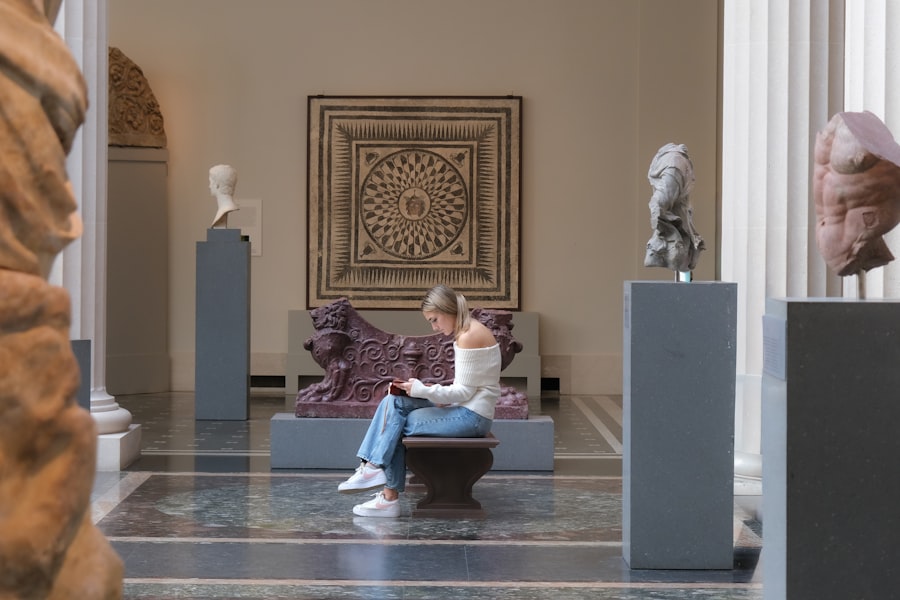
Art and design play a significant role in stimulating creativity within your workspace. Surrounding yourself with visually appealing elements can inspire new ideas and encourage innovative thinking. Consider hanging artwork that resonates with you or displaying sculptures that provoke thought and conversation. These visual stimuli can serve as catalysts for creativity, prompting you to explore new concepts and perspectives.
In addition to traditional art forms, think about incorporating design elements that reflect current trends or personal interests. This could include unique furniture pieces, bold patterns, or even DIY projects that showcase your creativity. By curating an environment rich in artistic expression, you create a dynamic space that continually inspires and motivates you to push the boundaries of your creativity.
Enhancing Your Senses: Adding Aromatherapy and Sound Elements to Your Environment
Your senses play a vital role in shaping your creative experience, and enhancing them through aromatherapy and sound can significantly impact your productivity. Scents like lavender or citrus can promote relaxation and focus, while invigorating fragrances like peppermint may boost energy levels. Consider using essential oil diffusers or scented candles in your workspace to create an atmosphere conducive to creativity.
Sound is another powerful tool for enhancing creativity. Some individuals thrive in complete silence, while others find inspiration in background music or ambient sounds. Experiment with different soundscapes—whether it’s instrumental music, nature sounds, or white noise—to discover what works best for you. By engaging multiple senses in your workspace, you create an immersive environment that stimulates creativity and encourages innovative thinking.
Creating a Flexible Space: Adapting Your Environment to Different Creative Activities
Flexibility is key when it comes to fostering creativity in your workspace. Different creative activities may require varying setups or arrangements, so consider designing a space that can easily adapt to these needs. Modular furniture or movable partitions allow you to reconfigure your environment based on the task at hand—whether it’s brainstorming ideas, collaborating with others, or working independently.
Additionally, think about incorporating designated areas for specific activities within your workspace. For example, create a cozy reading nook for inspiration or a large table for hands-on projects. By establishing distinct zones tailored to different creative pursuits, you empower yourself to switch gears effortlessly and explore various aspects of your creativity without feeling confined by a single setup.
Embracing the Power of Your Physical Environment for Creative Clarity
Your physical environment holds immense power over your creative process; by intentionally designing it with care and thoughtfulness, you can unlock new levels of inspiration and productivity. From choosing the right colors and lighting to incorporating natural elements and personal touches, every aspect contributes to creating an atmosphere conducive to creativity.
As you embark on this journey of optimizing your workspace, remember that it’s not just about aesthetics; it’s about crafting an environment that resonates with who you are as a creator. Embrace the power of your physical surroundings as tools for clarity and inspiration—allow them to guide you toward new heights of creativity as you explore the endless possibilities within yourself.